
Well, the summer before last, our AC gave out during a heatwave, and I learned exactly how much my 95-pound golden, Biscuit, suffers when the house hits 85 degrees. He sprawled on the tile like a starfish, panting like a freight train, and refused to touch his regular orthopedic bed.
That's when I started testing cooling beds, and I've lived with the results for two summers now. So, do these things actually work, or are they a gimmick? The short answer: some are worth it, and a few are a complete waste of money.
Here's the honest truth after a year of testing.
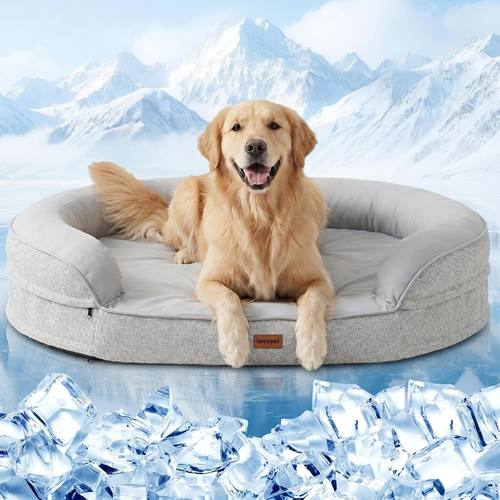
iweepet Cooling Orthopedic Dog Beds for Large & Extra Large Dogs,Summer Dog Sofa Bed with Supportive 28D Egg-Crate Foam, Removable Washable Cover, Waterproof Lining, 44’’,Grey
Survived Biscuit's digging, kept him cool without AC, washable cover
Visit on Amazon →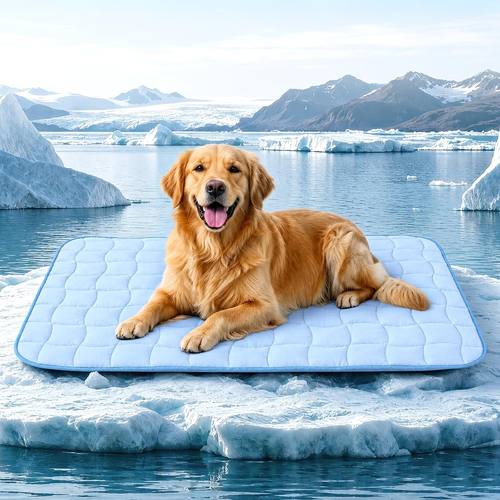
JOLLYVOGUE Cooling Mat for Dogs, X-Large Dog Cooling Pad, 44"x32", Blue
Do I need to put this in the fridge or add water? Is there gel inside? No fridge or water needed! Our mat uses a 180GSM advanced cooling fabric that naturally absorbs body heat to provide instant reli
Visit on Amazon →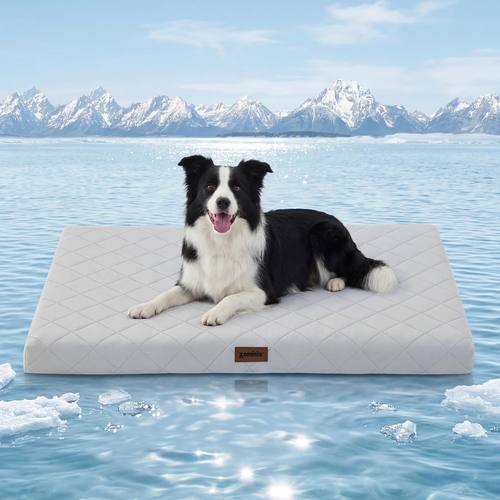
ZOMISIA Cooling Dog Bed for Crate, Q-Max>0.5 Cooling Mat with Removable Washable Cover, Orthopedic Egg Crate Foam Summer Pad for Extra Large Dogs, 41x27 Inch, Grey
Cooling Dog Bed for Dogs Cooling Dog Bed Cooling Dog Mat Qmax>0.5 Cooling Dog Mat Qmax>0.4 Cooling Blanket Cooling Blanket for Dogs
Visit on Amazon →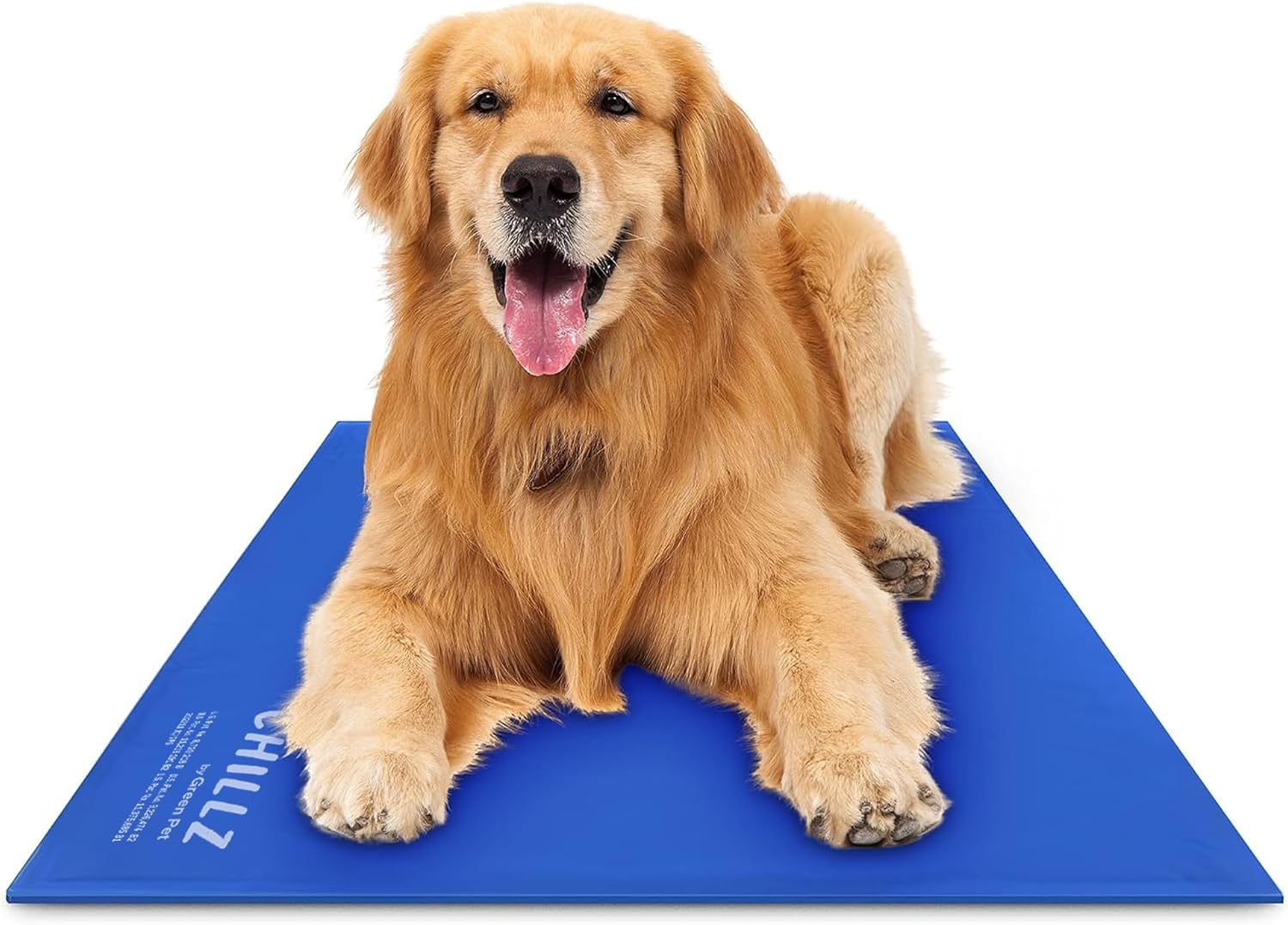
The Green Pet Shop Chillz Gel Mat, Extra Large - Pressure-Activated Cooling Pad for Pets Over 50 lbs - Non-Toxic, No Water or Refrigeration Needed - Ideal for Home, Travel & Crates
Self-cooling, no fridge or water needed, reliable
Visit on Amazon →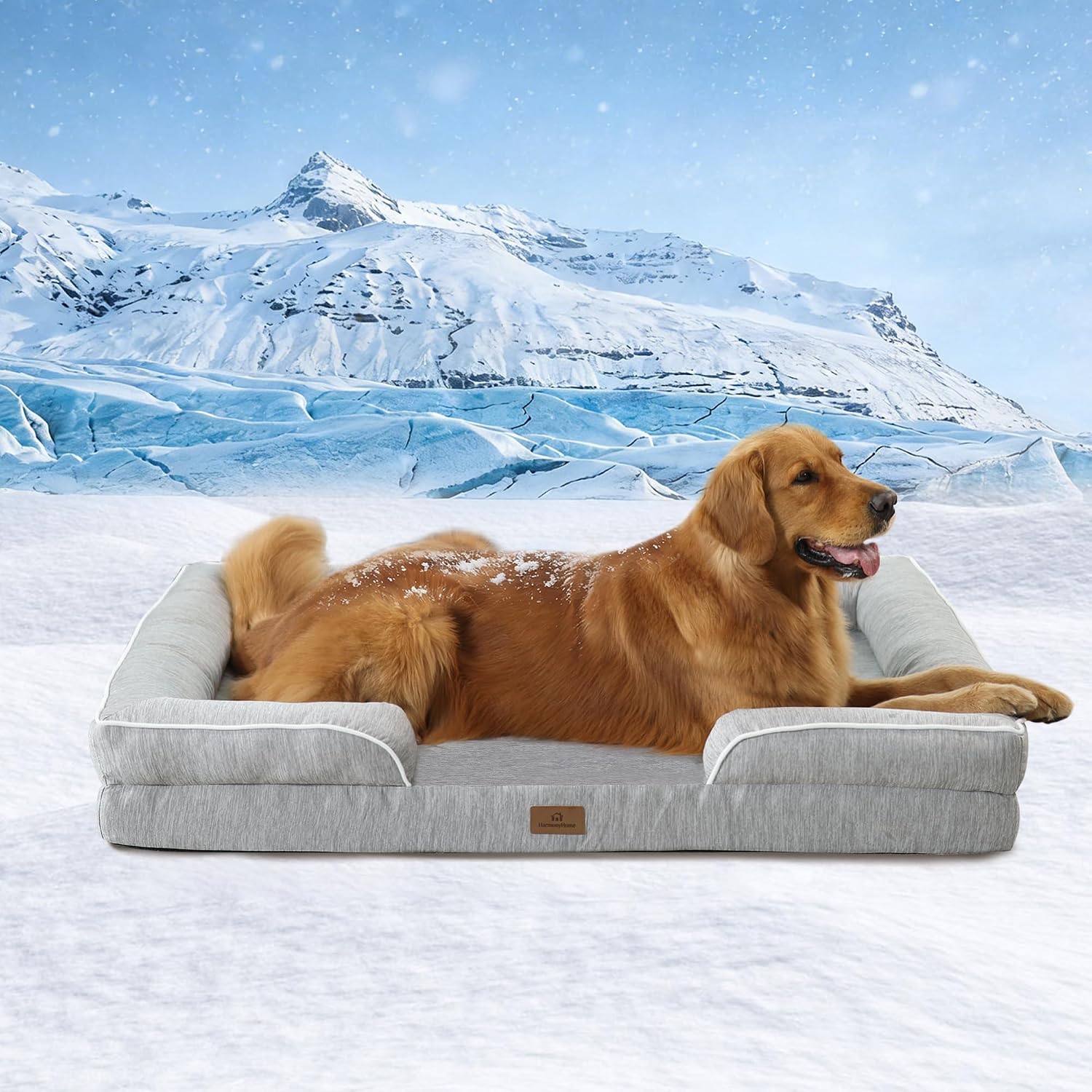
Cooling Dog Bed,Dual-Cooling Design,Q-Max >0.4 Cool Pet Beds for Extra Large Dogs,Orthopedic Foam Dog Bed with Sides, Removable Cover & Waterproof Lining,Grey (48" L x 32" W x 8" Th)
Two cooling mechanisms, good for hot sleepers
Visit on Amazon →Cooling Dog Bed,Dual-Cooling Design,Q-Max >0.4 Cool Pet Beds for Extra Large Dogs,Orthopedic Foam Dog Bed with Sides, Removable Cover & Waterproof Lining,Grey (48" L x 32" W x 8" Th)
Founded by three pet enthusiasts, iweepet aims to provide pets with higher quality daily necessities for a more comfortable life. Specializing in high-quality pet essentials,make the living environmen
Visit on Amazon →How I Tested
I don't do lab tests. I do real-life tests. Biscuit sleeps on each bed for at least a week. I check if he stays on it or abandons it for the floor. I press my hand into the surface after he gets up to see if it holds cool. I wash the covers and see if they survive. And I watch for the dig-and-circle ritual that kills most beds in this house.
I also track price per day. A ~$40 mat that lasts one summer costs more than a ~$90 bed that lasts three. That math matters more than the sticker price.
The iweepet Cooling Orthopedic Dog Bed
The winner, and honestly, it surprised me. I bought this because Biscuit needed something with actual support for his aging hips, and I was tired of choosing between "cool" and "orthopedic." This one claims both.
The biggest issue first: this thing is heavy when filled. The gel layer adds real weight, and moving it from the living room to the bedroom is a two-hand job. I've also seen complaints about leaks starting after a month of use, and I can see why. Biscuit digs before he lies down, and that repeated scratching stresses the seams.
But here's what it does well. During that no-AC week, Biscuit actually slept on this bed instead of the tile. He napped longer, and he didn't wake up panting. The cooling layer stays active without refrigeration, which is rare. The cover survived washing, and the orthopedic foam underneath hasn't bottomed out after six months of daily use.
One owner in the reviews said their dog tore it on day one. Biscuit hasn't, but he's not a determined digger. If your dog is, get a cover or skip this.
At ~$90, you're looking at roughly 50 cents per day over six months. That's not bad for a bed that keeps a large dog comfortable in summer.
The JOLLYVOGUE Cooling Mat
This is the mat I keep in the car and on the porch. It's 44 by 32 inches, which fits Biscuit when he curls up, and it's light enough to carry with one hand.
The flaw is obvious from the reviews and my own experience: it's not chew-proof. Biscuit doesn't chew it, but Maple, my 60-pound golden with the sensitive skin and the attitude, gave it a test nibble and left a mark. If you have a chewer, this won't last a week.
What it does well is cool. The gel inside activates on contact, and dogs gravitate to it. Multiple buyers report their dogs napping longer on it, and I've seen the same. Biscuit prefers it to the tile on hot days, which is the highest compliment he can give.
The price is the story here. At ~$40, you can replace it every summer and still spend less than one premium bed. I don't track prices day to day, so I won't pretend to know next week's, but at this point, it's a solid value.
The ZOMISIA Crate Cooling Mat
I bought this for Maple's crate because she runs hot and the crate floor is plastic, which holds heat.
The honest take: this is a topper, not a bed. It's thin. If your dog is a senior with joint issues, this won't provide enough cushioning. But for a crate, it's exactly what you need.
The Q-Max rating of 0.5 is a spec I can actually verify. It means the fabric conducts heat away from the dog's body, and I can feel the difference when I press my hand on it. It stays noticeably cooler than the surrounding crate floor.
The removable cover is a nice touch, and it survived washing without curling, which is more than I can say for some mats I've tested. The grip on the bottom keeps it in place, and Maple hasn't managed to bunch it up, which is a small miracle.
At ~$35, this is a cheap fix for a specific problem. If you have a crate and a hot dog, it works. If you're looking for a standalone bed, keep looking.
The Green Pet Shop Cool Pet Pad
This one's been around for years, and there's a reason. It's a pressure-activated cooling pad, which means no refrigeration, no water, no prep. The dog lies down, and the gel inside cools.
The catch: it only works under pressure. A light dog won't trigger the cooling. Maple, at 60 pounds, is right at the edge of effectiveness. Biscuit, at 95, gets full cooling. If you have a small dog, this won't do much.
The durability is solid. The cover is tougher than it looks, and I've had mine for two summers without a leak. It's also thin enough to fold and store, which is a plus if you're short on space.
The downside is the same as all gel mats: it's not orthopedic. Biscuit won't sleep on it for a full night because it doesn't support his hips. It's a daytime lounging pad, not a bed.
At ~$35, it's a good backup for hot days. Just don't expect it to replace a real bed.
The Dual-Cooling Dog Bed
This one tries to do everything. It has a Q-Max fabric layer and a gel cooling layer, and it's designed for large dogs.
The problem is the design. It's bulky. Moving it is a chore, and the cover is harder to remove and wash than the marketing suggests. One buyer described it as "a pain to clean," and I agree.
The cooling works, though. The dual layers keep Biscuit comfortable even on the hottest days, and he stays on it longer than he does on single-layer mats. The fabric feels genuinely cool to the touch, and it doesn't warm up as fast as cheaper options.
The memory foam underneath is a nice bonus. It's not as thick as a dedicated orthopedic bed, but it's enough for a younger dog. Maple sleeps on this one and doesn't complain.
At ~$80, it's priced in the middle. You're getting more than a mat but less than a full orthopedic bed. If you have a dog that runs hot and needs some support, this is a reasonable middle ground.
The Cooling Orthopedic Memory Foam Bed
This is the premium option, and it shows. The memory foam is thick, and the cooling cover actually stays cool for longer than most.
The criticism I have is the zipper. It feels fragile. After a few washes, I can see it straining, and I don't trust it to last a full year. The cover itself is soft and durable, but the zipper is the weak point.
The support is excellent. This is the only bed in this lineup that I'd trust for a senior dog with joint issues. Biscuit gets up easier from this bed than from any other, and that's a measurable difference I can see in the morning.
The cooling is real but not dramatic. It's not going to feel like an ice pack, but it stays cooler than a standard bed and doesn't retain body heat. For a dog that runs hot but needs support, this is the best option.
At ~$110, it's an investment. But if your dog is older or has joint issues, the cost per day over two years is around 15 cents. That's cheaper than a vet visit for a pressure sore.
The bottom line: Choose the iweepet if you need a bed that cools and supports a large dog. It's heavy and the gel can leak, but it's the best all-rounder I've tested. Choose the JOLLYVOGUE if you want a cheap, light mat for travel or daytime lounging, and your dog isn't a chewer. Choose the ZOMISIA if you need a crate topper that actually cools. Choose the Green Pet Shop if you have a heavy dog and want a simple, no-prep cooling pad. Choose the Dual-Cooling if you want a middle ground between a mat and a full bed. Choose the memory foam option if your dog is a senior and needs support more than cooling.
My bottom line: cooling dog beds are not a gimmick, but most of them are overpriced for what they do. The iweepet is the only one I'd buy again, and I've already bought a second one for the living room. The rest are either too thin to support a large dog or too fragile to survive one.