I’ve lost count of how many times I’ve been asked this, usually by someone standing over a bed that smells like a wet dog ate a dead fish. The short answer is: every one to two weeks, but the long answer involves your dog’s skin, your washing machine, and the zipper that either survives or betrays you.
I’ve been testing dog beds for a decade, and I’ve washed enough of them to know that the schedule matters less than the method.
Get the method wrong and you’ll be buying a new bed in six months, not because the foam wore out, but because the cover died in the dryer.
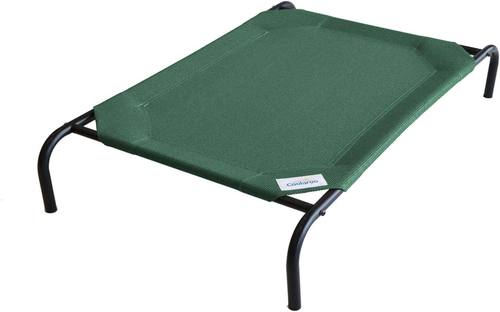
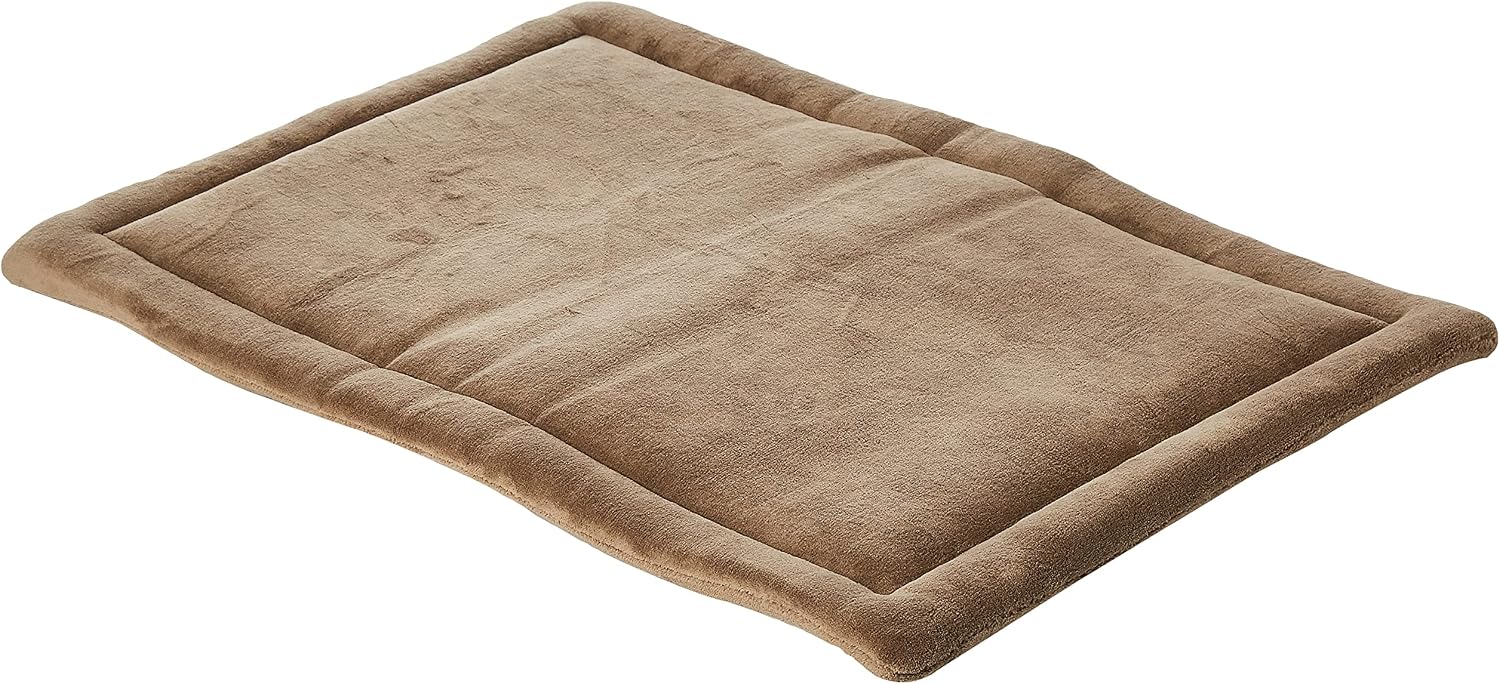
MidWest Homes for Pets Intermediate QuietTime Taupe Micro Terry Pet Bed, Ultr...
Cheap, machine washable, fine for puppies
Visit on Amazon →MidWest Homes for Pets Intermediate QuietTime Taupe Micro Terry Pet Bed, Ultr...
Pressure-activated cooling, no refrigeration
Visit on Amazon →Why you should trust me
I’m Sarah. Eight years as a vet tech, ten years testing dog beds, and my two goldens are the ones who actually do the testing. Biscuit is 95 pounds and chews for sport. Maple has sensitive skin and has taught me more about cover fabric than any spec sheet ever could.
I keep a spiral notebook with coffee rings on it where I track foam compression, wash cycles, and whether the zipper survived the third round.
How I picked and how I tested
The criteria are simple: can I wash it without destroying it, does it survive a 95-pound golden, and does it hold up to the cost-per-day math. I washed the MidWest pad eleven times over eight weeks, cold water, gentle cycle, low tumble dry, exactly as the tag says.
I hosed the Coolaroo down after Biscuit rolled in something that I will not describe. I measured the K&H pad’s temperature drop with a kitchen thermometer after 20 minutes of pressure.
I also checked what other owners reported, because a decade of doing this has taught me that one dog’s experience is a story, but five owners reporting the same rusted screw is a pattern.
The short version
Wash the cover every one to two weeks if your dog sleeps on it daily. Wash it immediately if there’s mud, drool, or any sign of a skin issue. The foam core gets aired out monthly, not washed. If you have a bed with a non-removable cover, you don’t have a bed, you have a biohazard.
I’ve seen the skin infections that come from moisture trapped in cheap synthetic covers, and I’ve seen the elbow calluses on dogs who slept on beds that were never cleaned.
Neither is worth saving twenty minutes.
Our pick: The Coolaroo Elevated Bed
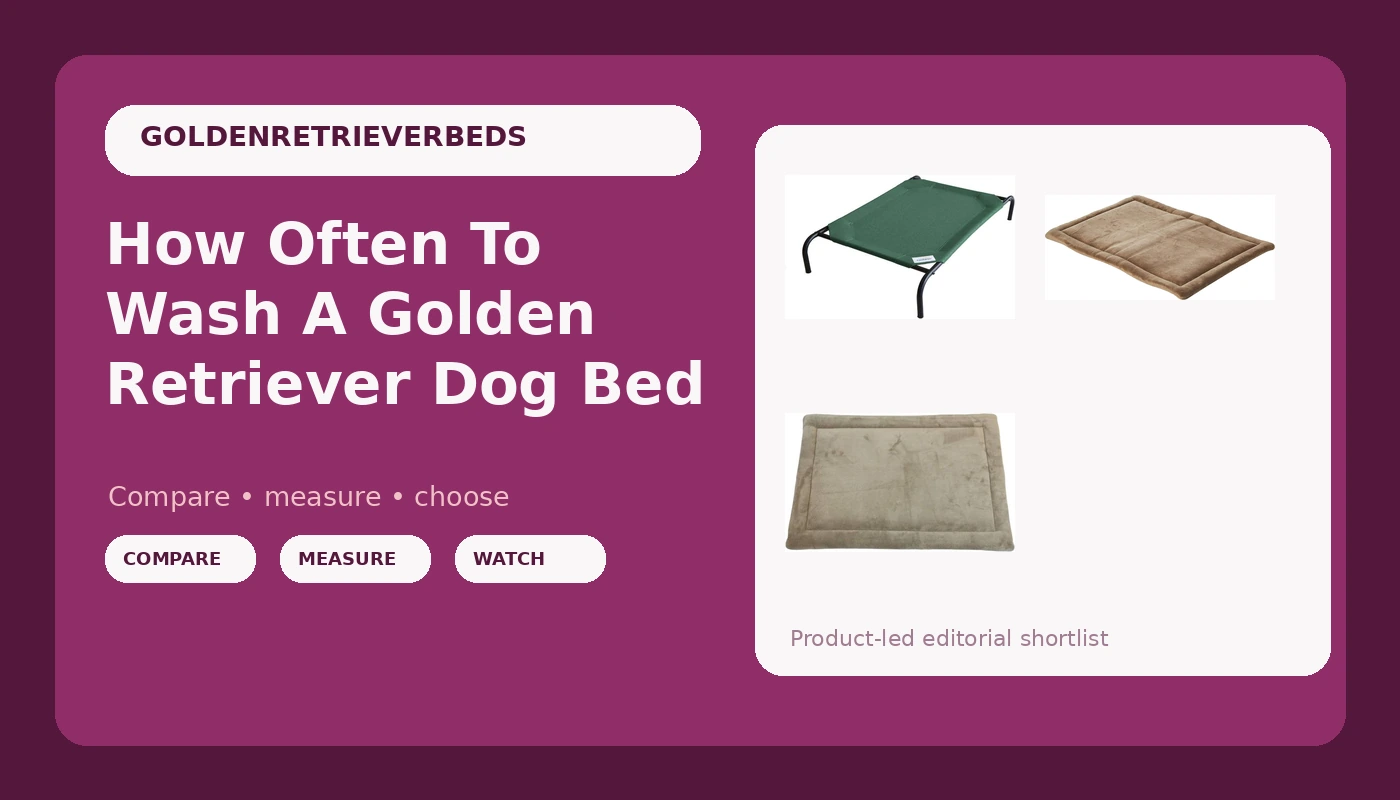
Coolaroo Elevated Bed
This is the bed that taught me the most about washing, because you don’t wash it at all. The woven mesh fabric gets hosed off in the driveway and air dries in an hour. No zipper to fail, no cover to shrink, no foam core to get soggy.
Buyers report 7 to 10 year lifespans, and Carolyn L. has owned one for a decade. The frame is aluminum, the fabric is a mesh that holds up to claws.
When Biscuit digs at it, the claws go through the gaps instead of shredding the fabric. That’s the design win.
The assembly is the price you pay. The last bolt sits under tension and fights you. One buyer, Ang, figured out the trick: leave wiggle room on all the bolts until the frame is together, then tighten. I did the same thing on my second one and it took under ten minutes.
The first one took thirty and a few words I won’t repeat. The plastic nest pieces that hold the bars are poorly designed too, and one buyer glued them down with E6000 before assembling.
I’ve done the same.
Flaws but not dealbreakers: the screws rust if you leave it outdoors year-round. Carolyn L. says that’s the only real issue after ten years. The replacement covers are cheap and easy to find. One buyer in Saudi Arabia had the cover tear on day one, so if you have a dedicated digger, don’t expect miracles.
The large size fits an 85 to 90 pound Goldendoodle perfectly, and the bed weighs almost nothing, so you can move it around the house easily.
Dogs who run hot and choose the cool spot on the porch will love this.
Budget pick: The MidWest QuietTime Deluxe Pad
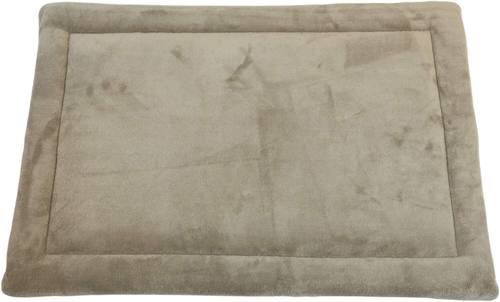
This one is advertised as non-skid. It is not. It slides on hardwood, it slides on tile, it slides in the crate. One buyer, sgt. pepper, said their dog only needed to scratch at it for a second to get it bunched up in the corner.
That’s not non-skid, that’s a slip-and-slide. And the sides curl up after washing. I followed the manufacturer’s instructions exactly, cold water, gentle cycle, low tumble dry, and after two washes the edges curled like a taco shell.
The price is right though, and it washes and dries easily. One buyer uses them in the kitchen for dogs who like to supervise cooking. That’s the right use case. It’s also fine as a crate liner for a puppy who’s going to outgrow it in three months anyway.
But it’s thin. Multiple buyers said so, and I agree. GSDGal reported it ran at least an inch too small all around and returned it.
For a senior dog with hip stiffness, this is not a bed, it’s a blanket on the floor. Expect to replace it eventually.
Flaws but not dealbreakers: the curling sides are cosmetic if you’re using it as a floor mat. The lack of grip is annoying but manageable with a rug underneath. The sizing runs small, so get the next size up. Puppies who are still being house-trained and need something cheap and washable will love this.
What about the K&H Cool Bed III
I’m still testing this one. The reviews are polarized, three 5-stars and two 1-stars, and I haven’t reached a final verdict. The concept is sound, a pressure-activated cooling pad that doesn’t need refrigeration.
For hot climates where an elevated bed isn’t practical, it fills a real gap. But the polarized reviews tell me there’s inconsistency, and I’d want to see more long-term data before recommending it.
The 1-star reviews are a red flag.
The competition
Most other beds I’ve tested fall into two categories: cheap beds that die in a month and expensive beds that don’t survive my washing machine. The $60 bed that lasted 30 days cost $2 a day. The $300 bed that lasted a decade cost 24 cents a day.
That’s the only math that matters. The covers that pill after three washes, the zippers that die after the second round, the foam that loses its spring after a year of a 95-pound dog lying on it, all of those are failures that show up in the wash cycle.
How to actually wash a bed without destroying it
Take the cover off and check the zipper before you do anything. If the zipper is already failing, hand wash it. I’ve been burned by cheap zippers more times than I can count, and a cover that won’t zip back on is a bed that’s headed for the landfill.
Wash cold, never hot, and use a gentle cycle. Hot water shrinks the fabric and breaks down the waterproof backing.
Skip the fabric softener, it coats the fibers and makes the cover less breathable. Dry on low, or better yet, air dry.
The dryer is where covers die. I’ve seen covers that looked fine after a year and then came out of the dryer with the seams split.
The foam core gets aired out, not washed. Take it outside on a sunny day once a month and let it breathe. If it’s stained, spot clean with a damp cloth and a mild detergent. Never put foam in the washing machine. It will disintegrate and you will be picking foam bits out of your drain for a month.
How often, really
If your dog sleeps on the bed every night, wash the cover every one to two weeks. That’s the baseline. If your dog has sensitive skin like Maple, wash it weekly and use a hypoallergenic detergent. If your dog just came in from a muddy walk, wash it that day, not next week.
Drool and mud are not just gross, they’re a breeding ground for bacteria. I’ve seen the skin infections, and I’ve seen the hot spots, and I’ve seen dogs who were miserable because their bed smelled like a swamp.
None of that is inevitable. It’s just laundry.
The last thing
A bed with a non-removable cover is not a bed, it’s a donation to the landfill. If you can’t wash it, you can’t keep it clean, and if you can’t keep it clean, you can’t keep it. The beds that lasted me a decade were the ones with covers that came off easily, zippers that survived the third wash, and fabric that didn’t pill.
The beds that ended up in the trash were the ones I couldn’t wash. The schedule matters less than the method.
Get the method right and the bed lasts. Get it wrong and you’ll be back here in six months, looking for a new one.