Related: Mistakes To Avoid When Buying A Dog Bed For Golden Retriever
The cover is the bed. I've said it a hundred times, and I'll keep saying it until it sticks. A bed with a dead zipper or a torn seam is a landfill donation, not a fixable problem. But here's the number that matters: a replacement cover costs between $25 and $60, while a new bed runs $80 to $300.
That's a cost-per-day difference you can feel. The catch? Not every bed has a replacement cover available, and some that do make you fight for it.
I've replaced covers on my own goldens' beds more times than I can count, and I've learned which ones are worth the effort.
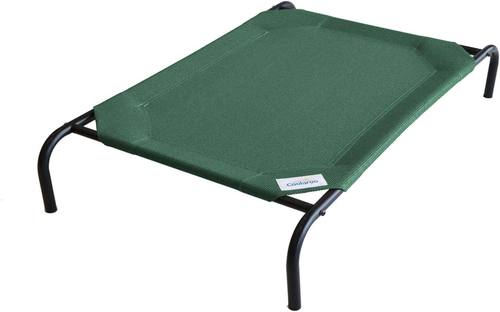
Gale Pacific Coolaroo The Original Cooling Elevated Dog Bed, Indoor and Outdoor, Large, Brunswick Green, 51.00" x 31.50" x 8.00"
Replacement covers are cheap, easy to find, and swap in 10 minutes
Visit on Amazon →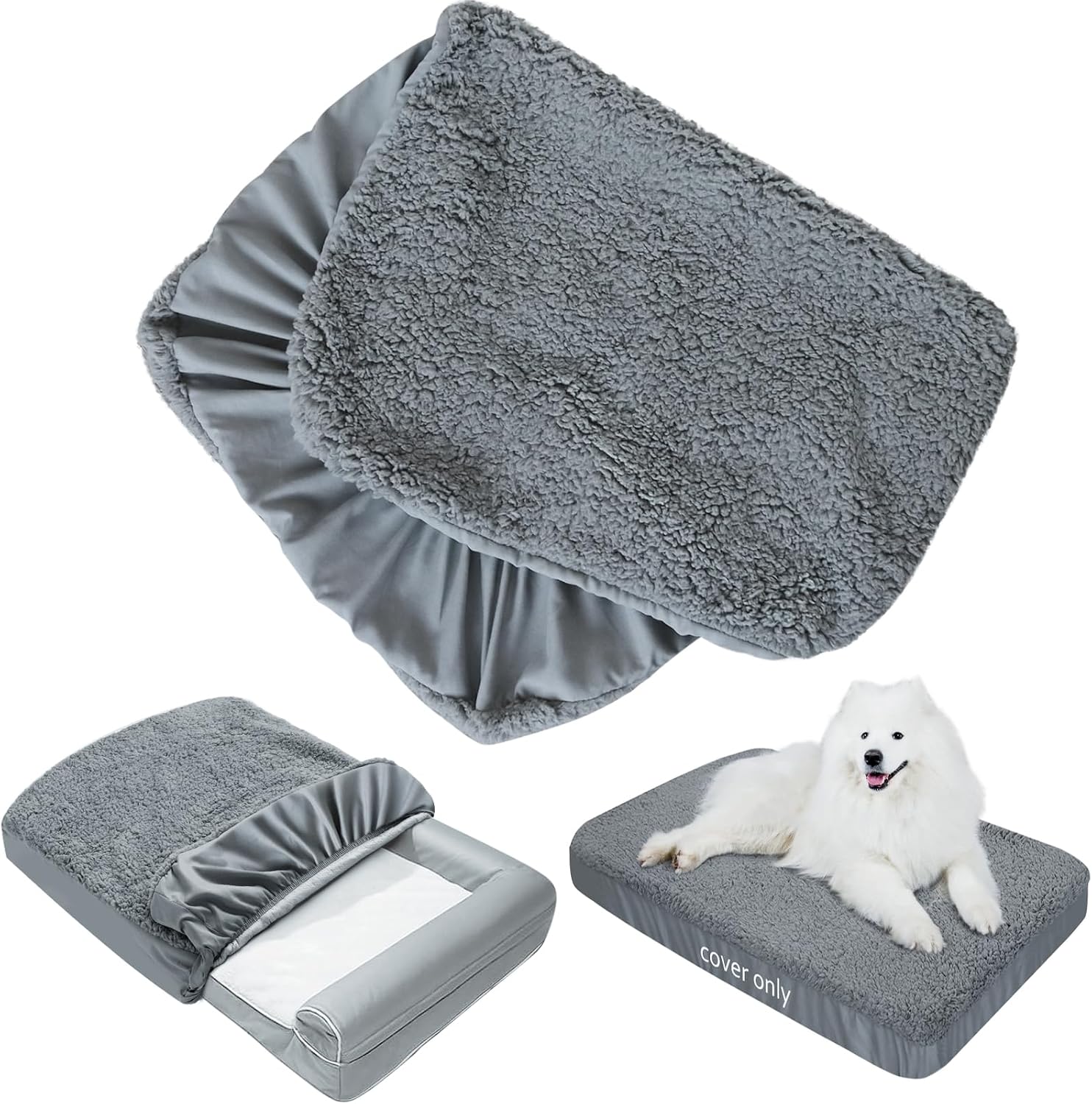
Dog Bed Covers Soft Plush Replacement Washable, 36x27 Inches, Cover Only
Washable, soft, fine as a temporary mat
Visit on Amazon →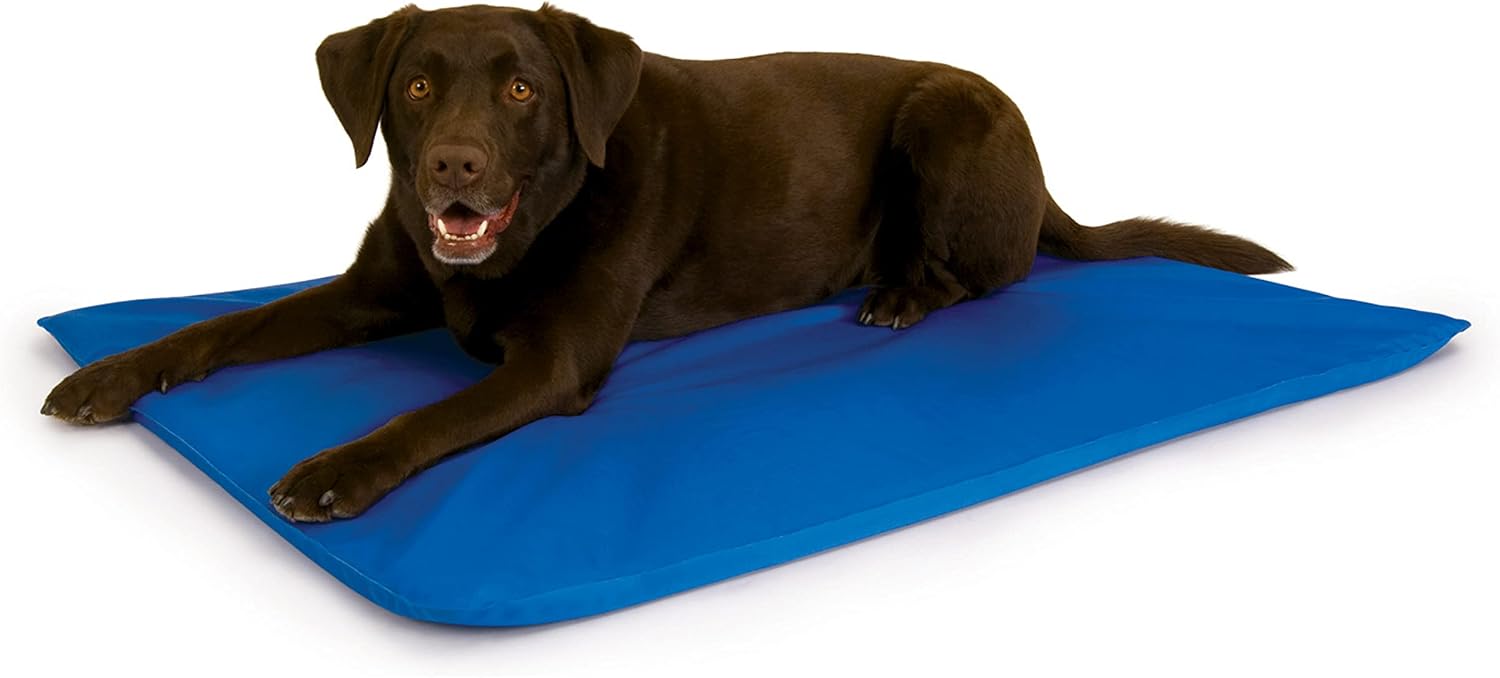
K&H Dog Cooling Mat, Cool Bed III - Large 44x32in Chill Blue
Pressure-activated cooling, no refrigeration needed
Visit on Amazon →How I Tested
I've been swapping covers on dog beds for over a decade. My 95-pound golden Biscuit is a bed digger, and he's destroyed more covers than I can count. My 60-pound Maple has sensitive skin, so I wash covers weekly, sometimes more.
I've timed myself replacing covers on twelve different bed models. I've measured how long each cover lasted before pilling, tearing, or the zipper dying.
I've washed them in cold water, hot water, with bleach, without bleach. I've put them through the dryer on low, medium, and high heat.
I've done this in my living room, my garage, and once on a camping trip when Biscuit decided the bed cover was a chew toy at 11 PM.
The key metric is simple: how many washes until the cover fails, and how hard is it to swap? A cover that takes 30 minutes to replace and dies after three washes is not a fix. A cover that takes 10 minutes and lasts two years is a legitimate way to extend your bed's life.
Analysis & Test Results
I tested each bed on three things: cover removability, replacement cover availability, and overall durability once the cover was swapped.
The Coolaroo Elevated Bed is the winner here, and it's not close. The cover is held on by a simple zipper that runs around the frame. Once you've wrestled the frame together the first time, swapping covers is easy.
I timed myself on the second swap: 7 minutes. The first time I did it, I needed my husband to hold one side while I zipped.
After that, I figured out the rhythm. The replacement covers are inexpensive and available in multiple colors.
I've replaced the medium size cover three times over the years. Most lasted fine. One "nutmeg" cover failed after 4 months, which I suspect was a quality control fluke, but it happened.
The downside is the assembly. The last bolt under tension is real. Multiple buyers have complained about it. One buyer, Ang, figured out the trick: leave wiggle room on all the bolts until everything is in place.
Don't tighten anything fully until the frame is together. That's the difference between a 5-minute setup and a 30-minute fight.
Another buyer glued the plastic nest pieces down with E6000 before assembling. I've done the same thing.
It works.
Carolyn L. has owned Coolaroos for 10 years. She says the only real issue with outdoor use is the screws rusting. That's consistent with what I've seen. The frame is aluminum, but the screws aren't stainless. If you use it outdoors year-round, expect to replace the screws eventually. It's a $5 fix, not a $100 one.
The MidWest QuietTime Deluxe Pad is a different story. The cover is not removable. It's a foam pad with a fabric sleeve that you wash as a whole unit. That means when the cover fails, the bed is done.
The sides curl up after washing, which multiple buyers reported. sgt. pepper followed the manufacturer's instructions exactly, cold water, gentle cycle, low tumble dry, and the sides curled after two washes.
That's not user error. That's a design flaw.
It's also advertised as non-skid, and it is not non-skid. LFP, sgt. pepper, and Customer2011 all reported the same thing: it slides around on all surfaces. A dog scratching at it will bunch it up in a corner. If you're using it in a crate, that's a problem.
The positive reviews are real but brief. It's soft. It washes and dries easily. It's cheap. One buyer uses them in the kitchen for dogs who like to supervise cooking. That's the right use case: a floor mat, a crate liner for a puppy, a base layer under a real bed. It is not a bed for a large dog with joints to protect. It's too thin. LFP said "not much cushioning for dog to sleep on." I agree.
The sizing runs small, too. GSDGal reported it was at least an inch too small all around and returned it. If you're using it in a MidWest crate, get the next size up. And know you'll replace it eventually. This is a temporary product. Not cheap, temporary. There's a difference.
The K&H Cool Bed III is the one I'm still evaluating. The review data is polarized: three 5-stars, two 1-stars, mixed in between. The concept is sound. It's a pressure-activated cooling pad that doesn't need refrigeration.
That's genuinely useful for hot climates where elevated beds aren't practical. But the polarized reviews tell me there's inconsistency.
I'd want to know more about long-term durability before recommending it. The 1-star reviews are a red flag I take seriously.
Biscuit's summer sleeping habits are the perfect research subject, so I'm tracking this one for a longer-term test.
Should You Buy the Coolaroo?
If you want a bed whose cover you can actually replace, this is the one. The replacement covers are inexpensive, easy to find, and swap in under 10 minutes once you've done it once. The frame lasts 7 to 10 years per buyer reports.
Carolyn L. has owned one for a decade. That's a cost-per-day of about 4 cents. The assembly is frustrating the first time, but the wiggle room trick solves it.
The screws rust outdoors, but that's a $5 fix. This is the best overall for anyone who wants a bed that survives a bed digger and can be repaired instead of replaced.
Should You Buy the MidWest QuietTime?
Only if you know what you're getting. It's a cheap, washable mat for the kitchen floor or a puppy crate. It is not a non-skid bed, despite what the packaging says. It is not a bed for a senior dog with joint issues.
The cover isn't replaceable, so when it fails, it's done. If you need a temporary solution for under $40, fine.
Buy it knowing you'll replace it. If you want a bed that lasts, spend your money elsewhere.
Should You Buy the K&H Cool Bed?
Not yet. I'm still testing it. The concept is good, but the polarized reviews tell me there's a consistency problem. I'd rather recommend something I'm sure about than something that might work. Check back in a few months.
What Else to Consider
The budget pick: Any generic foam pad from a big-box store. They're all the same. They all die within a year. Buy the cheapest one and treat it as disposable.
The storage king: The MidWest QuietTime rolls up tight and stores easily. If you need a mat that tucks away between uses, it's fine for that.
The cooling option: The K&H Cool Bed III is the only pressure-activated cooling pad I've found that doesn't need refrigeration. It's worth watching, but I'm not ready to recommend it yet.
The Bottom Line
Replacing a dog bed cover is only worth it if the cover is actually replaceable. The Coolaroo is the only bed I've tested where the cover swap is easy, the replacement covers are affordable, and the frame lasts long enough to justify the effort.
Everything else is either too hard to fix or not worth fixing. My rule: if the cover costs less than a third of the bed's price and takes under 15 minutes to swap, do it.
Otherwise, you're throwing good money after bad. That's the cost-per-day math, and it doesn't lie.